
Hedge trimming and topiary for established formal gardens.
Box hedges, pleached trees, topiary and structured borders. Trimmed by qualified horticulturists who understand the plant's growth cycle, not just the shape on the day.
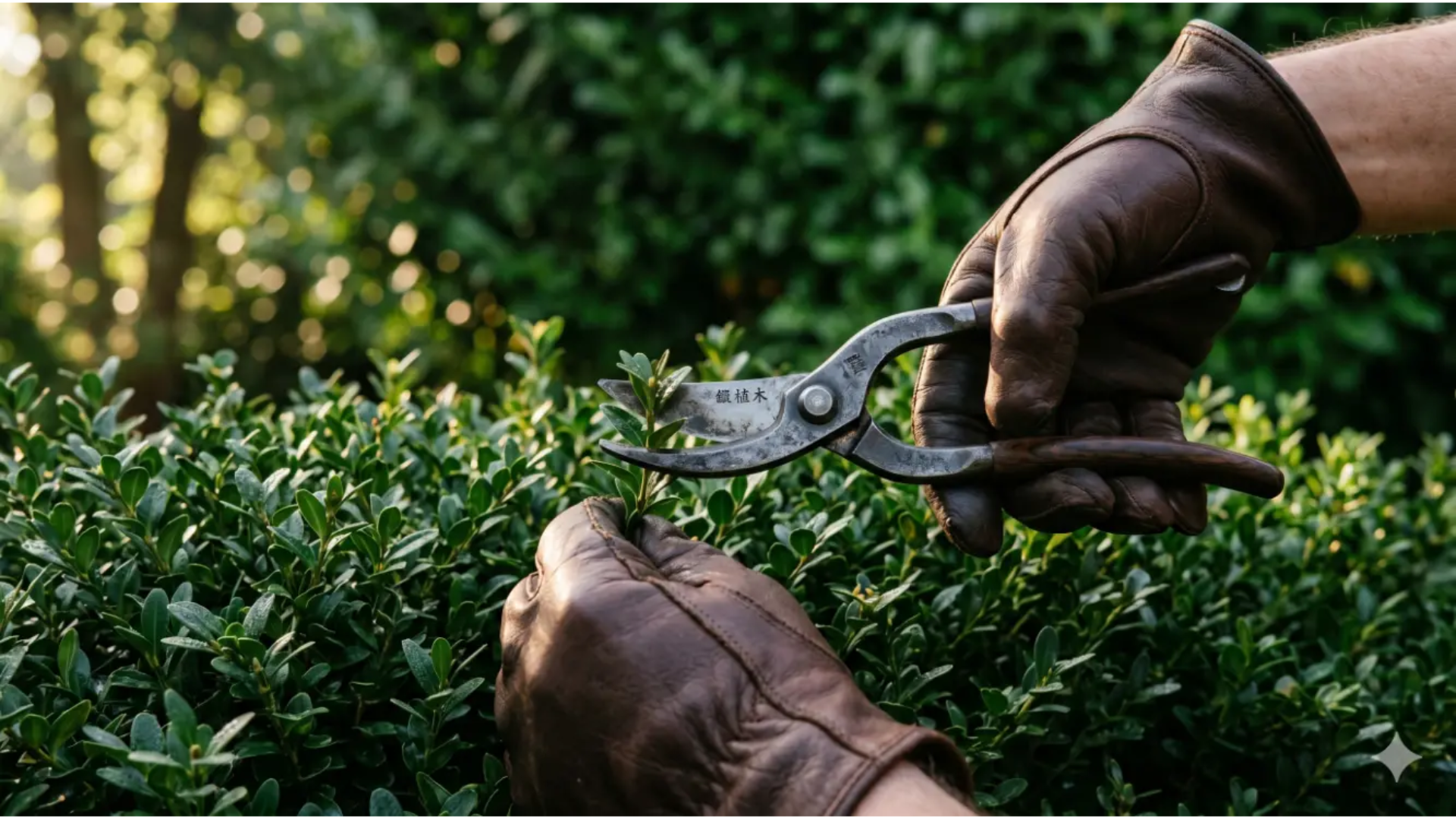
Well Tended provides specialist hedge trimming, topiary maintenance and formal garden care for established residential gardens in Melbourne's inner east: Toorak, South Yarra, Armadale, Malvern, Hawthorn and Kew. Every visit is carried out by qualified horticulturists who understand seasonal timing for each plant type. New clients begin with a complimentary on-site consultation. Call 03 9961 6078, Monday to Friday.
A formal hedge that holds its shape.
A well-shaped box hedge looks effortless. The shape is precise, the surface is even, the lines hold their tension. What it actually takes is reading the plant — when it's putting on growth, when it's setting buds, when a cut at the wrong moment will leave a brown patch that takes a year to recover.
A hedge trimmer doesn't see any of that. It sees length. We're trained to see growth stage, wood condition, light exposure and the seasonal arc of each species. Box, hornbeam, hawthorn, lilly pilly, photinia, English yew: each has its own moment.
Not a trim. A reading of the plant.
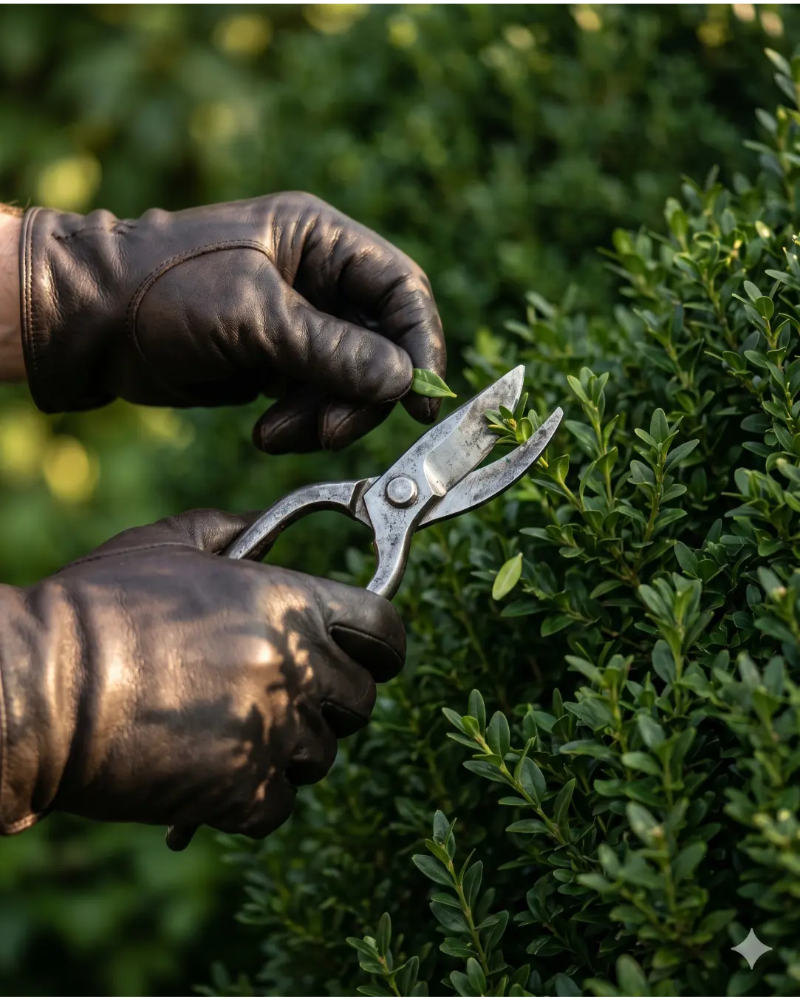
What hedge trimming visits cover.
Each engagement is guided by what your hedges actually need. Standard inclusions across most formal garden visits:
Hedge and topiary shaping
- Box hedge shaping (formal and informal profiles)
- Topiary maintenance: balls, cones, spirals, standards
- Pleached tree maintenance and clip-back
- Pillars, arches and structural feature trimming
- Complete green-waste removal — every visit
Plant health observation
- Box blight, scale, mite and pest screening
- Nutritional deficiency identification
- Early treatment recommendations before damage shows
- Seasonal advisory on timing for the next visit
Timing and coordination
- Cut at the right growth stage, not the calendar date
- Coordinated with your recurring program if applicable
- Specialist visits for camellia, rose and wisteria care
- Brief written summary after every appointment
Gardens that benefit from specialist hedge care.
Hedge trimming as a specialist visit suits gardens where the formal structure carries the design.
Heritage and formal gardens
Box parterres, clipped yew, formal rose gardens, pleached avenues. The structure matters because it's doing the design work. A mis-timed cut undoes years of training.
Properties with significant topiary
Standard topiary, sphere collections, cones and spirals are slow-grown garden investments. Maintenance keeps them looking deliberate rather than woody or untidy.
New owners of mature gardens
You've inherited beautiful formal hedges from the previous owner. We assess what's there, recommend a maintenance rhythm and bring them back into shape if they've drifted.
From consultation to shaped hedge.
Three steps from first conversation to a hedge that holds its lines through the year.
Hedge consultation.
We walk the garden with you, identify the species and condition of each formal element, and discuss what you want the garden to look like through the year. No obligation, no phone quotes.
Written program.
Within a few days you receive a written program: which hedges need what work, when each visit should fall in the year, and the cost. One-off remediation visits or a recurring schedule, whichever suits.
Specialist visits.
Your assigned horticulturist attends on the agreed schedule. You receive a brief summary after each visit and invoicing runs automatically. That's the last time you need to think about the hedges.
Questions about hedge trimming.
The questions we hear at almost every first hedge consultation, answered in full before you need to ask.
When is the best time of year to trim a formal hedge?
Timing depends entirely on species. English box prefers late spring and again in early autumn. Yew tolerates summer cuts. Hornbeam responds well to a single midsummer cut. Photinia needs trimming after each flush of growth. We time each visit to the plant, not the calendar, which is why a one-size-fits-all quarterly service usually produces patchy results.
Can I have hedge trimming as a one-off, or only as a recurring program?
Both. We take on one-off engagements (especially for new property owners who've inherited a hedge that needs remediation) and recurring visits scheduled around the plant's growth pattern. Many clients start with a one-off assessment and then move to a small recurring program for the structural elements.
What does box blight look like, and can it be treated?
Box blight typically appears as brown or grey patches on the leaves, often with a dieback pattern that spreads. Early identification matters: treatment is most effective when the infection is fresh, often with a combination of fungicidal treatment, pruning out affected wood and improving air movement. We screen for blight on every box hedge visit and flag anything suspicious immediately.
How often do topiary balls and cones need maintaining?
For most formal topiary in Melbourne's climate, two to three visits per year keeps the shape crisp. Faster-growing species (privet, lilly pilly) may need four. Slower species (English yew, Japanese box) often need only two. We recommend frequency during your consultation based on the species and the level of definition you want to maintain.
Will my hedge look different after a professional trim?
Usually yes — sharper, more defined, with a tighter surface. We use shears for the finishing cuts on most formal work rather than power trimmers, which leaves a cleaner finish and avoids the bruised-leaf look that mechanical trimming can produce. The difference is most noticeable on box, yew and other fine-leaved species.
Serving Melbourne's inner east
Your hedges, shaped by people who know them.
Start with a no-obligation consultation. We'll walk the garden, identify what each hedge needs and put together a program. Whether that's a single restorative visit or a small annual rhythm, you'll know exactly what to expect before anything begins.
Request a garden consultationOr call 03 9961 6078 · Monday to Friday · 7:30 am to 5:00 pm